


7 Things People Forget During a Long-Distance Move
Planning a long-distance move involves an overwhelming number of details, and even the most organized, detail-oriented people tend to overlook certain important tasks amid the chaos of packing boxes, coordinating logistics, and saying goodbye to a familiar home. These forgotten details often don't reveal themselves until it's genuinely inconvenient, whether that means arriving at your new home without essential documents or realizing too late that you forgot to properly prepare for moving day itself. Working with an experienced local long distance mover can help ensure many of these commonly overlooked tasks don't slip through the cracks during your transition. Given how many companies specialize in this exact type of relocation assistance, it's clear that professional moving support remains an important resource for countless families each year. According to IBISWorld, the United States has 9,114 businesses in the moving services industry, reflecting just how significant this industry remains for individuals and families navigating major relocations. Below, we'll explore several things people commonly forget during a long-distance move.
1. Updating Your Address With Every Necessary Organization
Many people remember to update their address with the post office but forget the extensive list of other organizations that also need this updated information, including banks, insurance providers, subscription services, and various government agencies. This oversight can lead to missed bills, important documents going to your old address, or complications with insurance coverage during the transition period. Creating a comprehensive checklist well before your move helps ensure you systematically address each of these necessary updates rather than discovering gaps weeks or months after you've already relocated. Working with a local long distance mover sometimes includes access to helpful moving checklists that can serve as a useful starting point for this important task. Taking time to properly complete this often-overlooked step helps prevent unnecessary complications and confusion during your first few months in your new location.
2. Properly Preparing Essential Documents
Important documents like birth certificates, passports, medical records, and financial paperwork sometimes get packed away in moving boxes rather than kept easily accessible, creating genuine stress if you need any of these items before your full shipment arrives at your new home. Setting aside a dedicated folder or box for these essential documents, kept with you rather than loaded onto the moving truck, helps ensure you have immediate access to anything you might need during the transition period. This preparation becomes particularly important for long-distance moves, where your belongings might be in transit for several days or longer before arriving at your new address. Taking time to properly organize and separate these essential documents before moving day helps prevent the stress of searching through numerous boxes for a critical piece of paperwork. This simple preparation step often gets overlooked amid the broader chaos of packing an entire household.
3. Transferring Prescriptions and Medical Records
Amid the countless logistics involved in a long-distance move, many people forget to properly transfer prescriptions and request copies of medical records well before their actual moving date, leading to complications accessing necessary medications or continuing care once they arrive at their new location. This oversight can create genuine health concerns, particularly for individuals managing chronic conditions that require consistent medication access without interruption. Contacting your current healthcare providers and pharmacy well in advance helps ensure this transfer process happens smoothly, without leaving you scrambling to locate a new provider while also managing the stress of an active move. This preparation deserves particular attention for families with specific ongoing medical needs, since healthcare transitions sometimes take longer to properly complete than other, more straightforward address changes. Addressing this often-forgotten task early in your moving timeline helps protect your family's ongoing healthcare continuity.
4. Measuring Furniture and Doorways at the New Home
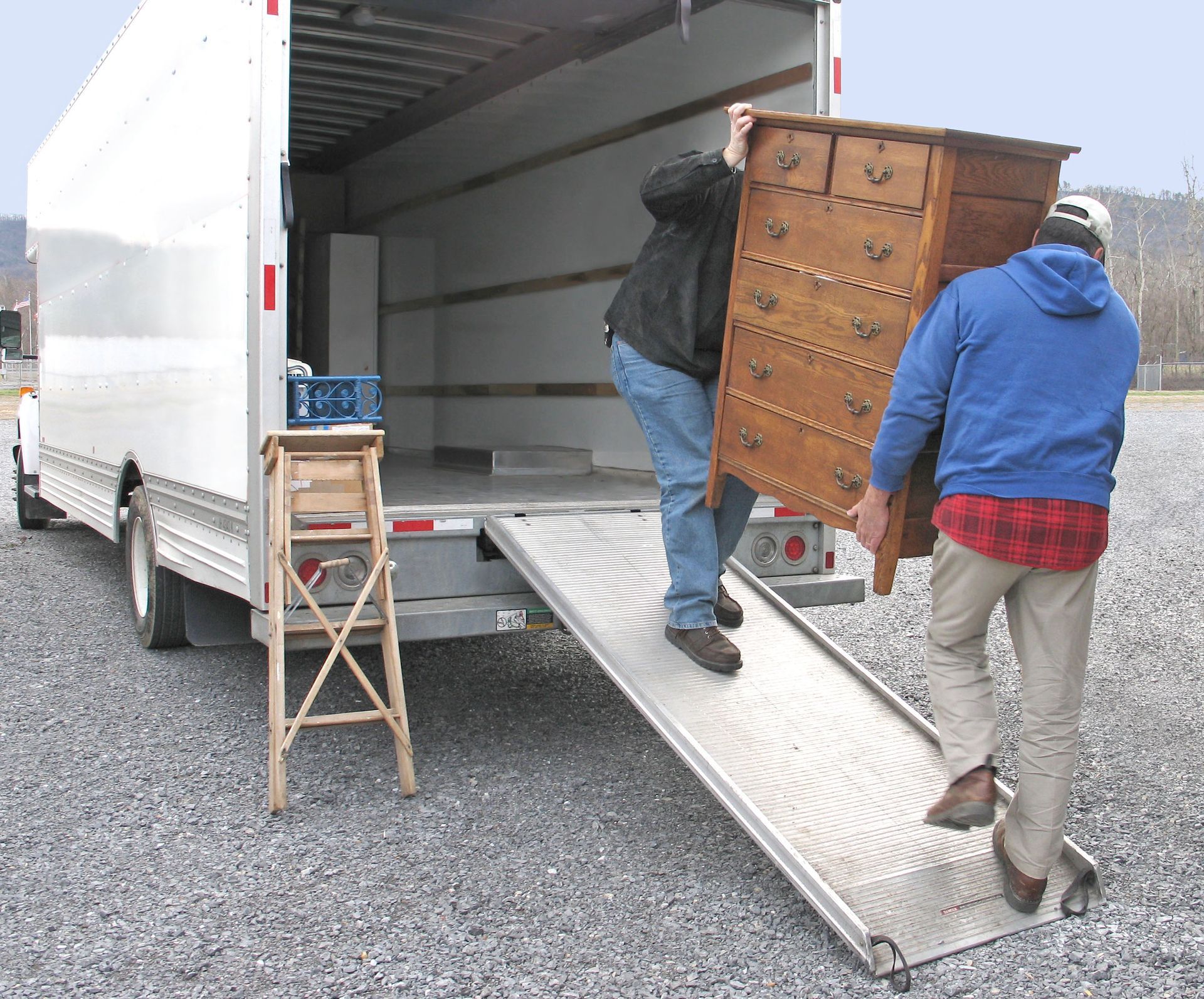
It's surprisingly common for people to assume their existing furniture will simply fit into their new home without actually measuring doorways, stairwells, and room dimensions beforehand, sometimes leading to frustrating discoveries on moving day when a beloved couch simply won't fit through a narrow hallway. Taking time to measure both your current furniture and the relevant spaces at your new home helps identify potential issues before moving day, allowing you to make informed decisions about what to bring versus what might need to be sold or donated instead. This preparation becomes particularly important for long-distance moves, where transporting furniture that ultimately doesn't fit represents a significant waste of both money and effort. A local long distance mover can sometimes offer guidance on this process, having seen firsthand how often this seemingly obvious step gets overlooked during the moving planning process. Taking this precaution helps avoid the frustration and wasted resources associated with discovering a fit problem only once you've already arrived.
5. Setting Up Utilities Before Arrival
Many people focus so heavily on packing and logistics that they forget to arrange for utilities like electricity, water, gas, and internet to be active before their actual arrival date at their new home. Arriving at a new house without functioning utilities creates unnecessary discomfort and inconvenience, particularly if you're traveling with children or pets who need a comfortable, functional space immediately upon arrival. Contacting utility providers well in advance of your move helps ensure everything is properly activated and ready before you actually walk through the door of your new home. This preparation task often gets pushed aside amid more visible moving priorities, despite how significantly it affects your actual moving day experience. Taking time to address this practical necessity helps ensure your arrival feels genuinely welcoming rather than immediately stressful due to preventable oversights.
6. Researching New Service Providers in Advance
People frequently forget to research and identify new service providers, such as doctors, dentists, veterinarians, or even hair stylists, before their move, leaving them scrambling to find these important services once they've already relocated to their new community. This oversight can lead to delays in necessary care or services, particularly frustrating if a family member has an urgent need shortly after arriving in an unfamiliar area. Taking time to research these providers before your move, even if you don't finalize every specific choice, helps you feel more prepared and less overwhelmed once you're settling into your new home. This preparation becomes particularly valuable for families with ongoing healthcare needs or pets requiring regular veterinary care. Addressing this often-overlooked task ahead of time helps smooth your family's overall transition into your new community.
7. Planning for the Emotional Transition
Amid all the logistical planning involved in a long-distance move, people frequently forget to genuinely prepare for the emotional adjustment that comes with leaving a familiar community and starting fresh somewhere new. This emotional transition can feel particularly challenging for children, but adults often underestimate how much they'll personally miss familiar routines, friends, and surroundings once the initial excitement of moving settles down. Taking time to acknowledge this emotional dimension, rather than focusing purely on logistics, helps families approach their move with more realistic expectations about the adjustment period ahead. Planning specific ways to stay connected with friends and family from your previous location, alongside actively seeking new connections in your new community, can help ease this transition considerably. Recognizing that this emotional preparation matters just as much as the practical logistics represents an important, often overlooked aspect of a genuinely successful long-distance move.
At Movin Time, we understand how much goes into planning a successful long-distance move, and we're committed to helping our clients navigate this process smoothly, addressing both the practical logistics and the details that often get overlooked along the way. Our experienced team brings genuine expertise to every relocation we handle, offering guidance and support throughout your entire moving journey. We believe that a well-planned move should feel manageable rather than overwhelming, and we're dedicated to helping our clients avoid the common pitfalls that can complicate an already significant life transition. Whether you're moving across the state or across the country, our knowledgeable team is here to help every step of the way. If you're ready to work with a trusted
local long distance mover for your upcoming relocation, contact Movin Time today to schedule your consultation.

Share On: